
-
Cotton vs Wheat: Balancing Export and Bread
In the irrigated valleys of southern Tajikistan, late summer means the cotton fields turn white. Bolls crack open in the heat, revealing the soft fiber that once earned this region the name “white gold.” The crop’s geometry is clear from above: rectangular plots, evenly furrowed, stretching toward the horizon. Alongside them, though, another geometry is…
-
Soils and Agriculture: Living with the Earth
The earth in Tajikistan is never just earth. In the Vakhsh Valley, it crumbles between fingers like powder, light and pale, laced with salt from decades of irrigation. In Gissar, it is darker, richer, holding the roots of wheat and apricot trees. In the Pamirs, it is thin, clinging to terraces carved by hand. Soils…
-
Urban Growth in Dushanbe: Expanding Edges
From the rooftop of an old Soviet apartment block near Rudaki Avenue, the city stretches out in layers. The center hums with traffic, broad boulevards lined with new glass-fronted shops. Beyond, cranes swing above construction sites, and dust rises from the edges where farmland once lay. Dushanbe is changing before its residents’ eyes. The capital…
-
Vulnerable Basins
The sound comes first—a low rumble that grows into a roar. By the time villagers hear it clearly, the brown torrent is already spilling down the mountainside, carrying stones, branches, and the unmistakable smell of wet earth. In Tajikistan floods and mudflows are not rare events. They are seasonal realities, woven into life in valleys…
-
Irrigation Systems, Decades of Use and Decay
The water begins high in the glaciers, clear and frigid, tumbling through rock gorges until it flattens into the valleys. By the time it reaches the cotton fields of the Vakhsh or the orchards of the Zarafshan, the water is a different thing altogether: it is clouded, diverted, slowed by gates and channels built decades…
-
Biodiversity in Tajikistan: Flora
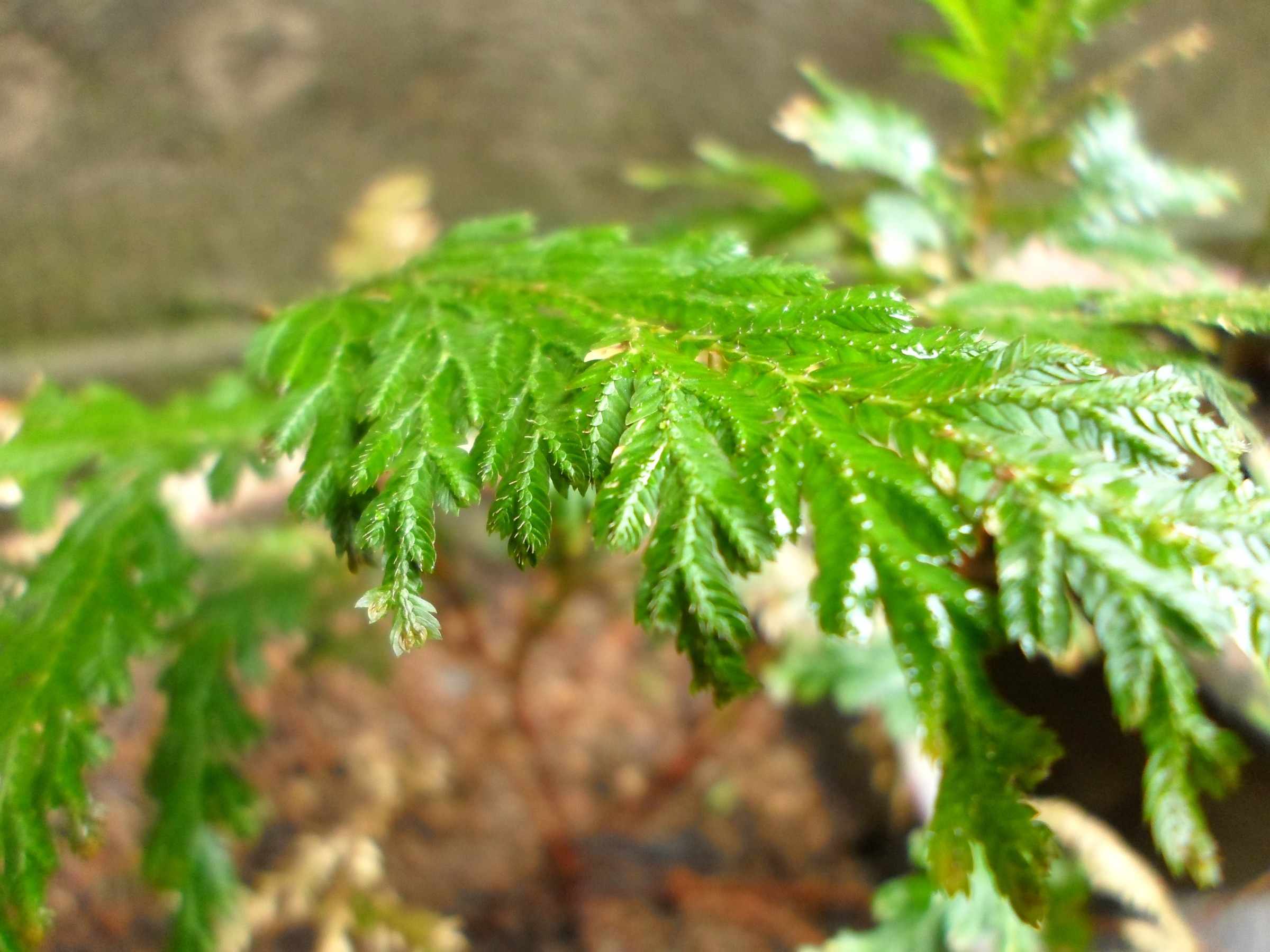
On the slopes above the Varzob Valley, the air smells of thyme and wet soil. Spring rains coax green shoots from the ground, and the hillsides shift from brown to vivid color almost overnight. Wild tulips flare red and gold; almond trees burst into blossom. Tajikistan’s flora is astonishing in its variety: more than 5,000…
-
Safed Dara Reopens: Tourism Geography and Access
In January 2016, the snow lies thick across the Varzob Valley, a two-hour drive from Dushanbe. The mountains, usually admired from the capital as a hazy backdrop, are alive with noise: children shouting, skis scraping, music spilling from loudspeakers that echo off the slopes. After decades of silence, Safed Dara, once known as Takob, is…
Search
Archive
- September 2025
- March 2025
- February 2025
- January 2025
- October 2024
- October 2023
- September 2023
- July 2023
- May 2023
- March 2023
- February 2023
- January 2023
- October 2022
- August 2022
- July 2022
- June 2022
- April 2022
- November 2021
- August 2021
- May 2021
- April 2021
- March 2021
- December 2020
- November 2020
- September 2020
- July 2020
- June 2020
- March 2020
- February 2020
- December 2019
- October 2019
- August 2019
- June 2019
- April 2019
- March 2019
- February 2019
- December 2018
- October 2018
- September 2018
- June 2018
- May 2018
- April 2018
- March 2018
- February 2018
- December 2017
- October 2017
- August 2017
- July 2017
- June 2017
- May 2017
- April 2017
- March 2017
- February 2017
- December 2016
- November 2016
- October 2016
- September 2016
- August 2016
- July 2016
- June 2016
- May 2016
- February 2016
Gallery